Drain, sewer and outdoor drainage
Our Drain Cleaning Services
Bellevue Drain Cleaning Co. covers drain problems ranging from a stopped sink to a backup affecting several fixtures. Start with the service closest to what you see. Each linked page explains the symptoms, possible causes, cleaning methods, and details to have ready when you call.
24/7
Call about urgent drain cleaning when wastewater enters a bathroom, water rises from a floor drain, both toilets stop flushing, or essential showers become unusable. Reduce water use until the problem is assessed. Emergency calls are available 24/7, with service availability confirmed by phone.
01
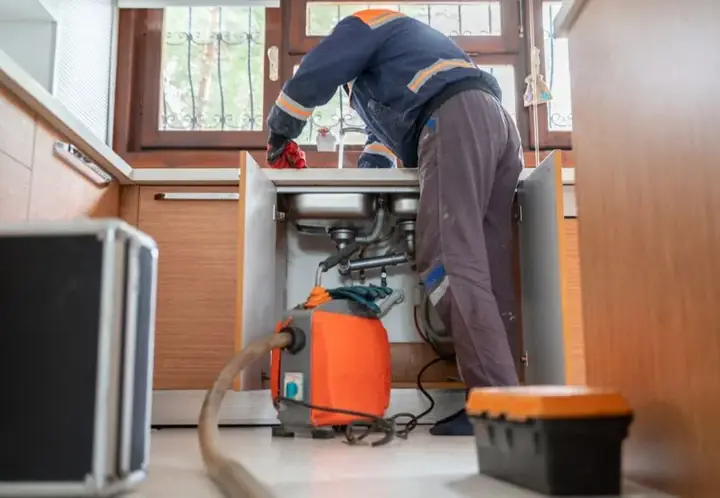
Kitchen drain cleaning addresses sinks that drain slowly, hold standing water, or back up during use. Grease, food residue, and buildup beyond the P-trap can restrict the kitchen branch line. Mention whether the disposal side is affected and what you have already tried.
02
Bathroom drain cleaning covers slow or stopped sinks, tubs, and showers. Hair, soap residue, and personal care products commonly collect near the drain or farther into the branch line. Explain which fixture is affected, how quickly it drains, and whether the clog has returned.
03
Several slow fixtures, toilet gurgling, washer water rising in a tub, or wastewater at the lowest floor drain may point to a shared building drain or side sewer. Main-line cleaning focuses on restoring flow through that larger line, using an accessible cleanout when available.
04
Hydro jetting uses controlled high-pressure water to remove grease, sludge, and buildup from inside a drain or sewer line. It may suit recurring restrictions that cabling has not fully removed. Pipe condition, line access, and the material causing the blockage should be considered first.
05
A sewer camera inspection shows accessible sections of a drain or sewer line after entry through a suitable access point. It can help document roots, offsets, damage, or remaining buildup when the finding will affect the next step. A camera inspects the line but does not clear it.
06
Storm drain cleaning removes leaves, mud, sediment, roots, and debris from outdoor drains and catch basins around Bellevue homes and commercial properties. If rainwater is pooling near a driveway, patio, parking area, or foundation, call Bellevue Drain Cleaning Co. at (425) 307-0640.
07
A clogged drain does not always mean the pipe needs repair. Clearing may restore flow when debris or buildup causes the restriction. If the clog returns or inspection shows a damaged, offset, or poorly sloped pipe, the repair scope and appropriate provider should be confirmed separately.
08
Rooter service uses mechanical cable equipment and suitable cutting heads to work through certain drain and sewer obstructions. Roots are one possible cause, especially when they have been documented before. Repeated root growth may require camera evidence and a separate discussion about the pipe's condition.
09
Grease trap cleaning removes accumulated fats, oils, grease, and settled food solids from commercial kitchen equipment. Cleaning frequency depends on kitchen use, trap capacity, and applicable requirements. Restaurants and facility managers should confirm the equipment type, access, waste handling, service scope, and availability before scheduling.
10
Drain odors can come from buildup, a dry trap, a dirty overflow, venting trouble, or a sewer-line problem. The source matters because cleaning will not correct every odor. Note which drain smells, when the odor appears, and whether slow drainage or gurgling occurs with it.
11
Sewer line repair addresses confirmed structural damage such as cracks, failed joints, severe offsets, corrosion, or collapse. Inspection findings, pipe condition, access, permits, and site constraints determine whether a localized, trenchless, excavation-based, or replacement approach may be appropriate.