Water Drains Too Slowly
Water that remains in a sink, tub, shower, or floor-level fixture longer than normal can interrupt routine use. Professional assessment identifies a suitable access point and service scope.
Drain Help for Bellevue Properties
Bellevue Drain Cleaning Co. provides clogged drain repair in Bellevue, WA for homes, rentals, managed properties, and businesses. Call when water drains slowly, a fixture stops emptying, a clog returns after temporary clearing, or water rises from another drain. Tell us which fixtures are affected, what triggers the problem, and which products or tools have already been used. Serving Bellevue since 2010, we accept emergency calls 24/7. Call (425) 307-0640 to confirm availability and discuss a suitable starting point.
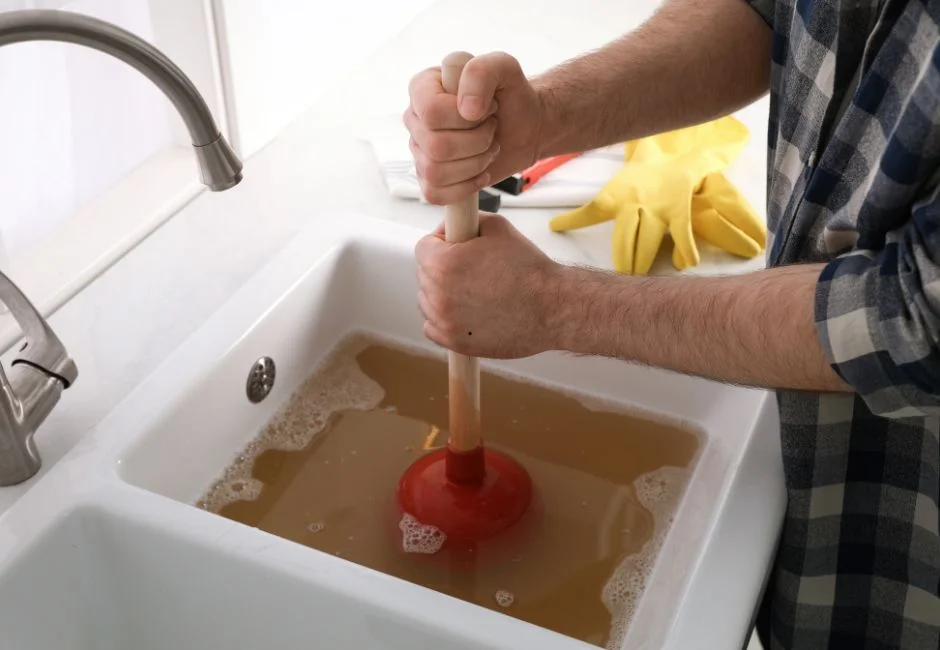
A clogged drain may empty slowly, stop completely, improve briefly after plunging, or send water back through another fixture. Those patterns affect where assessment begins, but they do not prove what is restricting the line. Cleaning addresses material that interferes with flow. It does not repair a cracked, offset, collapsed, corroded, or poorly sloped pipe.
The affected fixtures, available access, standing water, previous clearing attempts, and connected symptoms help define the service scope. When you are unsure which service fits, drain cleaning service in Bellevue should begin by matching the drainage pattern to the appropriate line and access point. That keeps a localized stoppage separate from kitchen, bathroom, shared-line, or structural repair work.
The way water moves through one or several fixtures helps identify a practical starting point without assuming the cause.
Water that remains in a sink, tub, shower, or floor-level fixture longer than normal can interrupt routine use. Professional assessment identifies a suitable access point and service scope.
Standing water that no longer moves through the drain can overflow when more water is added. Stop using the fixture and report any products or tools already used.
Water appearing in another fixture when one drain is used suggests a connected drainage pattern. The affected fixtures help determine whether assessment should move beyond one opening.
Flow that improves briefly and slows again may require a different clearing approach or further assessment. Recurrence alone does not confirm buildup, roots, damage, or poor slope.
More than one fixture slowing, gurgling, or changing water level can indicate restricted flow in a connected line. Explain which fixture was running and where the change appeared so the larger drainage pattern can be assessed.
A stopped or slow drain can interrupt a restroom, break room, tenant space, or other business area. Report the affected area and whether nearby fixtures remain usable.
A drain restriction and a damaged pipe can create similar symptoms, but they require different scopes of work.
An accessible obstruction may be addressed from a suitable drain opening or cleanout. The fixture, standing-water level, line size, and access help determine whether cable equipment or another clearing method fits the reported condition.
A clog that returns after plunging or earlier clearing deserves a closer look at the affected fixtures, service history, and connected pattern. Recurrence can justify a different approach, but it does not prove structural damage.
Camera inspection may be considered when the line is accessible, visibility is useful, and the findings could change the recommendation. Standing water, line size, turns, or the blockage itself can limit what a camera can show.
Confirmed cracks, offsets, collapse, corrosion, or poor slope require separate repair planning. Removing material from the drain may improve flow, but cleaning does not reconnect, rebuild, or replace a damaged pipe section.
Fixtures, access, standing water, previous attempts, and connected symptoms guide the service approach.
Tell us which fixture is affected, how quickly it drains, what triggers the backup, whether another drain reacts, and which products or tools have already been used.
The available drain opening or cleanout, standing water, nearby connections, and known service history help identify a practical starting point without assuming the cause.
Cable equipment can suit many localized obstructions. Hydro jetting or camera inspection is considered only when access, line size, visibility, material, and pipe condition support that approach.
After approved work, the appropriate fixture or a controlled amount of water is used to check drainage when conditions allow. Findings, limitations, and possible next steps are explained.
Clogged-drain service is available for homes, rentals, managed properties, and businesses throughout these confirmed Bellevue service areas.
Drain-service professionals assess and clear suitable restrictions in sinks, tubs, showers, floor-level fixtures, branch drains, and other accessible lines. The affected fixture, available access, standing water, connected symptoms, and pipe condition influence the approach. Drain clearing restores flow through a restriction but does not automatically include fixture repair or structural pipe repair.
Cost depends on access, whether one or several fixtures are affected, the likely restriction location, standing water, previous clearing attempts, the suitable method, and any pipe-condition findings. A simple accessible stoppage and a recurring connected-line problem can require different work. Describe the symptoms and ask what the proposed scope includes.
A returning clog can have several possible explanations, including material left in the line, a restriction farther downstream, limited access during earlier clearing, or a pipe condition that affects flow. Recurrence alone does not prove the cause or mean the pipe needs replacement. The affected fixtures and service history help guide the next assessment.
Stop adding water to the affected fixture and avoid using connected fixtures if they change the water level. Keep people away from wastewater returning through a drain. Do not add or mix chemical cleaners. Tell the service provider what happened, which products or tools were used, and whether more than one fixture is affected.
A chemical product should not be treated as a universal solution when the pipe material, restriction, standing water, and products already present are unknown. Do not mix cleaners. Dish soap or boiling water will not reliably clear every obstruction and may not reach a deeper restriction. Identify anything already added when arranging service.
One slow or stopped fixture can provide a localized starting point. If another drain gurgles, changes level, or backs up when water is used elsewhere, the restriction may involve a connected branch or larger line. That pattern does not confirm the blockage location, but sewer cleaning service may be appropriate when assessment places the restriction in the shared line.
Neither method is better for every clog. Cable equipment can suit many localized accessible obstructions, while hydro jetting may suit certain buildup in an appropriate line. Access, line size, the material affecting flow, and pipe condition should guide the choice. Some configurations may also benefit from inspection before the next step is selected.
Yes. Bellevue Drain Cleaning Co. provides clogged-drain service for residential and commercial properties in Bellevue. Tell us the property type, affected fixture or area, whether other drains react, and how the problem affects normal use or operations. That information helps confirm the appropriate service scope and current availability by phone.
A fixture-specific problem, suitable pipe-wall buildup, or a need to view an accessible line may call for a more focused service.
Suitable lines with distributed buildup may be considered for controlled high-pressure cleaning after access and pipe condition are reviewed.
A slow or stopped kitchen sink requires attention to the fixture, disposal connection when present, and kitchen branch path.
Bathroom sink, tub, and shower restrictions are assessed through their fixture access and nearby bathroom drainage pattern.
An accessible line may be viewed when recurring restrictions or suspected pipe conditions could change the recommended next step.
You do not need to identify the obstruction before calling. Tell Bellevue Drain Cleaning Co. which drain is affected, whether water is standing or returning elsewhere, when the problem began, and what has already been tried. Emergency calls are available 24/7, with current timing confirmed by phone. Call (425) 307-0640 to discuss the appropriate next step.