Drain Snaking and Cable Cleaning
A mechanical cable can work through a localized obstruction in an accessible sewer line. It can restore a path for flow but may leave grease, sludge, or scale along the pipe walls.
Main Drain and Sewer Service
Bellevue Drain Cleaning Co. provides residential and commercial main sewer line cleaning in Bellevue, WA for shared drains, side sewers, and main lines. Several fixtures draining poorly, a toilet gurgling when the washer empties, or wastewater rising from a lower drain can point to a shared restriction, but the symptoms do not confirm the cause. Emergency calls are accepted 24/7. Call (425) 307-0640 and describe the backup pattern.
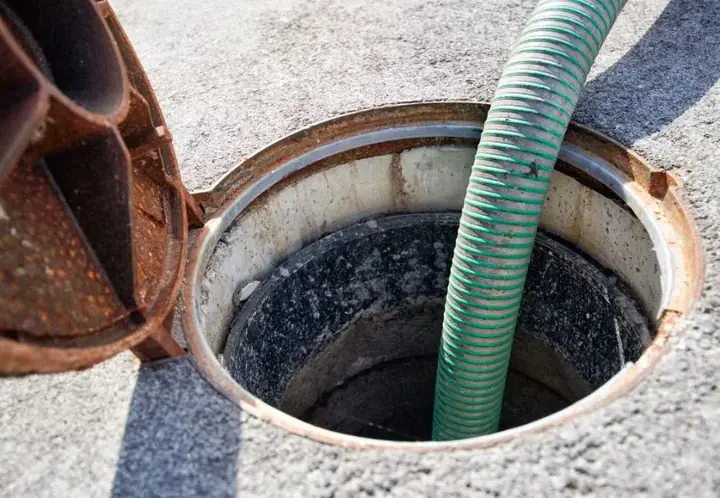
Main sewer line cleaning removes or works through material restricting the larger wastewater line connected to multiple fixtures. When several drains react together, a shared building drain or side sewer becomes more relevant than one isolated sink or shower clog. The pattern guides where to start but does not confirm whether grease, roots, scale, damage, or another obstruction is responsible.
The approach depends on cleanout access, affected fixtures, previous clearing attempts, repeat history, and pipe condition. Mechanical cable work, hydro jetting, root cutting, or descaling may be considered when the line supports the method. If only one fixture is affected, Bellevue drain cleaning for that branch may be the more appropriate starting point.
Line access, blockage material, and pipe condition determine which confirmed sewer cleaning method is suitable for the property.
A mechanical cable can work through a localized obstruction in an accessible sewer line. It can restore a path for flow but may leave grease, sludge, or scale along the pipe walls.
Controlled high-pressure drain cleaning may remove grease, sludge, and buildup from a suitable sewer line instead of opening only a narrow path. Cleanout access and pipe condition must support the method.
Suitable cutting equipment may clear certain root obstructions. Roots can enter through a joint, crack, or other opening and may return. A rooter service clears the obstruction but does not repair the entry point.
Descaling removes certain hardened deposits that narrow a suitable sewer line. It can improve the opening available for flow but is not a structural repair. Access, deposit type, and line condition determine whether it fits.
One slow fixture may involve a nearby branch. A wider pattern can point toward the building drain or side sewer without confirming the cause.
One slow sink may need kitchen drain cleaning. Sinks, tubs, or showers slowing together can indicate a restriction in a line they share.
One slow tub may need bathroom drain cleaning. Toilet gurgling when another fixture drains suggests connected fixtures may be reacting together.
If washer discharge appears in a tub, standpipe, or floor drain, stop the washer and avoid adding water until the affected line can be checked.
Wastewater at the lowest floor drain can make part of the property unusable. Reduce water use and keep people and pets away from the affected area.
Repeated clearing followed by another backup may justify checking for remaining buildup, roots, access limits, or structural trouble instead of assuming the same solution will work.
Several connected fixtures or frequently used commercial drains may lose flow together. Property use, affected areas, and line access help define the cleaning scope.
The condition restricting flow determines whether cleaning is enough or another service needs to be considered.
Cable work, hydro jetting, root cutting, and descaling address material that restricts flow in a suitable, accessible line. Cleaning can restore drainage when removable material causes the problem, but it does not correct a crack, collapse, severe offset, or poor slope.
A sewer camera inspection may document roots, offsets, damage, or remaining buildup when recurring symptoms or a repair decision make that evidence useful. The camera examines accessible pipe sections. It does not remove the obstruction, and standing water can limit the view.
Documented cracks, separated joints, collapse, or other structural trouble can require a separate repair scope. Clogged drain repair becomes relevant when clearing alone cannot address the condition. The evidence should guide the recommendation because not every backup means the sewer line is broken.
Where water appears, what triggers the backup, how many fixtures react, and how quickly the problem returns help identify the line to assess. The details guide the first conversation, but access or inspection may still be needed to confirm the cause and next step.
Backup patterns, cleanout access, service history, and known pipe condition guide the approved sewer line cleaning approach.
Describe where water rises, which drains are slow, what triggers the backup, when it began, and what clearing has already been tried.
The entry point, affected fixtures, previous trouble spots, and known pipe or repair history help define the service scope.
The next step depends on access, suspected material, and line condition and may involve cabling, jetting, root cutting, descaling, or inspection. The scope is reviewed before approved work begins.
After the approved cleaning, water is run through the affected line or connected fixtures to check drainage. A camera may be used afterward when the condition or documentation needs justify it.
Bellevue Drain Cleaning Co. provides residential and commercial sewer line cleaning throughout Bellevue. Select your area below for local service information.
Main sewer line cleaning clears or removes material restricting the larger wastewater line shared by multiple fixtures. Depending on access, the obstruction, and pipe condition, the work may involve cable equipment, hydro jetting, root cutting, or descaling. Cleaning restores flow through a suitable line but does not repair cracks, collapse, offsets, or poor slope.
The cost depends on cleanout access, blockage location and material, line length, previous clearing attempts, required equipment, and pipe condition. An exact price cannot be based on a general description alone. When you call, explain which fixtures are affected, what triggers the backup, and what work has already been tried.
Several fixtures slowing or backing up together makes a shared-line restriction more likely than one isolated drain. Toilet gurgling, washer water rising elsewhere, or wastewater appearing at the lowest drain are useful clues. These symptoms help locate the affected line, but they do not identify the exact cause.
Stop using toilets, sinks, showers, the dishwasher, and the washing machine so more water does not enter the blocked line. Keep people and pets away from the wastewater. Call promptly and explain where it appeared, which fixtures were running, and whether essential bathrooms are still usable.
Neither method is always better. A cable may open or cut through a localized obstruction, while hydro jetting may remove grease, sludge, and buildup from pipe walls in a suitable line. Cleanout access, pipe condition, and the material restricting flow should guide the method selected for the property.
A sewer camera is useful when clogs return, roots or damage are suspected, equipment stops repeatedly at the same point, or findings will affect the next step. It is not automatically required or included with every cleaning service. The backup pattern, access, and known line history help determine whether inspection adds value.
Suitable cutting or rooter equipment may restore flow in some root-obstructed sewer lines. Roots often enter through a joint, crack, or other opening and can return after removal. Inspection evidence and pipe condition help determine whether cleaning is a reasonable next step or a separate repair discussion is needed.
Yes. Bellevue Drain Cleaning Co. provides residential and commercial sewer line cleaning in Bellevue. When you call, identify the property type, affected fixtures, available cleanout, previous clearing attempts, and symptoms. Those details help confirm service availability and determine which cleaning approach may fit the line.
Call Bellevue Drain Cleaning Co. and describe the affected fixtures, where water appears, what triggers the backup, and what has been tried. Cleanout access and repair history help determine the next step. Emergency calls are accepted 24/7. Call (425) 307-0640 to discuss the problem.