How much does it cost to clean out a grease trap?
Cost depends on the device type, size, access, amount and condition of the contents, required pumping, waste transport and disposal, connected-line work, and after-hours scope. A small accessible trap and a large gravity interceptor can require very different equipment and labor. Call with the device location and service history instead of relying on a fixed published price.
Do grease traps need to be cleaned professionally?
It depends on the device and applicable facility procedures. Trained staff may maintain some smaller traps, while larger interceptors commonly require full-volume removal by a properly equipped service provider or hauler. The business should confirm the device type, safe access, waste-handling requirements, local recordkeeping duties, and what the selected provider will actually complete.
What is the best way to clean out a grease trap?
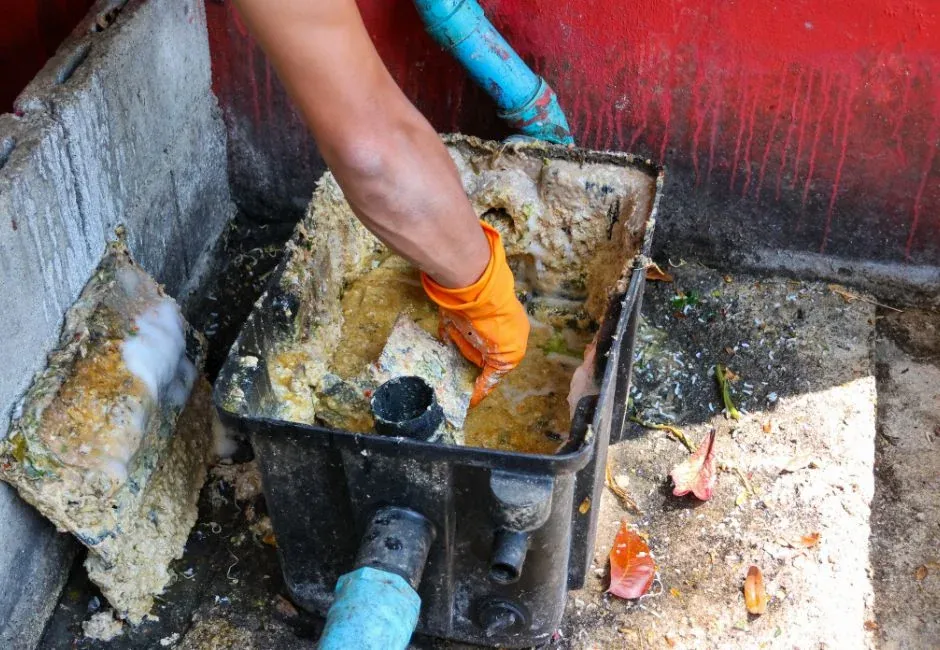
The appropriate method depends on the trap or interceptor design, capacity, access, contents, and required disposal process. Service should control liquids and solids, protect removable components, and handle waste properly. Do not enter a device or use hot water, acids, caustics, solvents, or emulsifying agents as a shortcut for required maintenance.
How often should a commercial grease trap be cleaned?
There is no responsible universal interval. FOG generation, device capacity, kitchen practices, observed accumulation, past service history, and applicable facility requirements all affect frequency. Bellevue businesses should follow the schedule established for their device and operations, keep required maintenance records, and adjust service timing when inspections or repeated drainage symptoms show that the current interval is inadequate.
What is the difference between a grease trap and a grease interceptor?
A grease trap is often a smaller device located near grease-producing fixtures. A gravity grease interceptor is generally larger and may be installed outside for service access. Capacity, construction, access, and waste volume change the maintenance method. Larger interceptors commonly require full-volume pumping rather than the limited cleaning approach used for some smaller traps.
Does grease trap cleaning clear a slow kitchen drain?
Only when the grease-control device is contributing to the slowdown. A restriction can also be in the inlet, outlet, fixture branch, or another connected drain section. The drainage pattern and accessible device should be assessed before deciding whether trap cleaning, interceptor pumping, grease-line cleaning, or a different drain service is the appropriate scope.
What happens to grease removed during service?
Removed fats, oils, grease, wastewater, and food solids require controlled handling and proper disposal. The required process depends on the device and service scope. Before work begins, confirm who will pump or remove the material, who will transport it, where it will be disposed of, and whether the business will receive any service record or disposal documentation.
Does Bellevue Drain Cleaning Co. accept emergency grease-trap calls?
Yes. Bellevue Drain Cleaning Co. accepts emergency grease-trap calls 24/7. During the call, describe the business type, device location, standing wastewater, odors, affected fixtures, last known service, and access conditions. Current availability, the device type, and whether the work requires line cleaning, pumping, or another properly equipped provider are confirmed by phone.