Wastewater Rising Indoors
Water or waste entering through a floor drain, shower, or other low opening can spread into occupied areas. Stop adding water and report exactly where it appears.
24/7 Emergency Calls in Bellevue
Bellevue Drain Cleaning Co. provides emergency drain cleaning in Bellevue, WA for homes, rentals, managed properties, and commercial spaces. Call when wastewater rises from a floor drain, both toilets stop working, or an essential sink, shower, or business drain becomes unusable. Tell us which fixtures are affected, where water appears, what triggers the backup, and what you have already tried. Emergency calls are available 24/7. Call (425) 307-0640 to confirm service availability and discuss the right starting point.
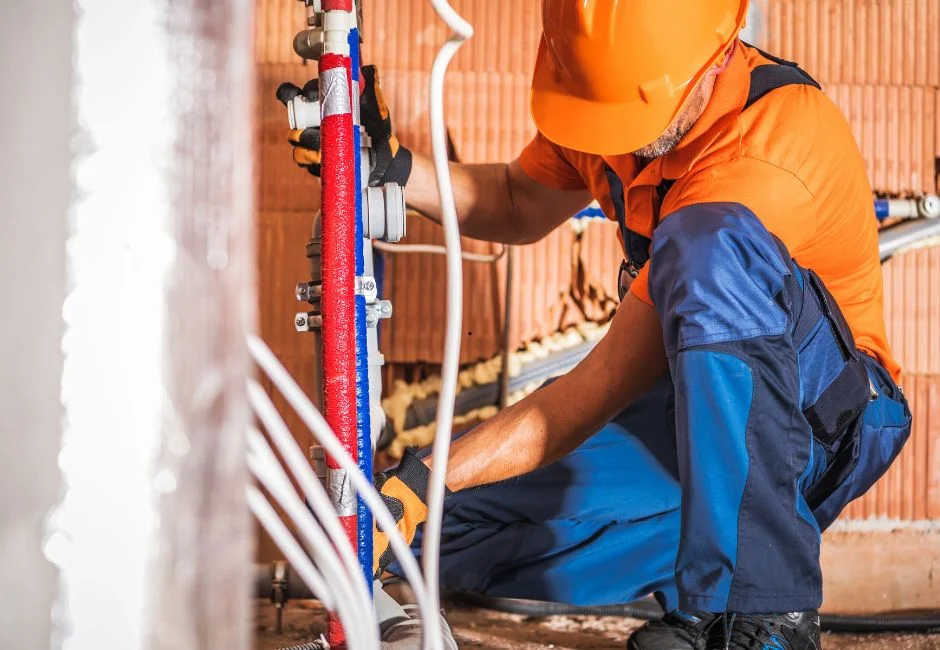
Emergency drain cleaning focuses on active backups, overflows, and essential fixtures that cannot be used. One stopped sink may involve a nearby branch drain, while toilets, tubs, and floor drains reacting together may point toward a shared line. The symptoms guide the starting point, but they do not prove what is inside the pipe or whether the pipe is damaged.
The next step depends on the affected fixtures, available access, previous clearing attempts, repeat history, and known pipe condition. Residential and commercial properties can have different access points, so identify the property type and any known cleanout when you call. Cable equipment, rooter work, hydro jetting, or camera inspection may be considered when suitable. When several fixtures are involved, main sewer line cleaning may address the shared restriction. Cleaning does not repair a collapsed, separated, or poorly sloped pipe.
Drain symptoms can change quickly when more water enters a restricted line. Call when the problem affects sanitation, sends wastewater into an occupied area, or prevents normal use of an essential drain.
Water or waste entering through a floor drain, shower, or other low opening can spread into occupied areas. Stop adding water and report exactly where it appears.
Toilets, tubs, and sinks reacting together may involve a shared drain rather than one fixture. Avoid running more water until the affected line can be assessed.
Two unusable toilets create an immediate sanitation problem. Avoid repeated flushing and describe any gurgling, rising water, or nearby drains reacting when you call about bathroom drain cleaning.
A washing machine releases water quickly. If that discharge rises in a tub, standpipe, sink, or floor drain, stop the cycle and avoid sending more water downstream.
Standing water or overflow can stop household meal preparation or commercial kitchen work. Kitchen drain cleaning starts with the affected sink, disposal side, and branch-line symptoms without assuming the cause.
A blocked restroom, floor drain, or food-service drain can interrupt normal use of a commercial space. Describe the property, affected area, and operating impact when calling.
Limit additional water entering the line and gather the details that will help identify the right starting point.
Stop using toilets, sinks, showers, the dishwasher, and the washing machine when several fixtures are backing up. Each use can send more water toward the restriction. If one fixture triggers the problem, stop that fixture and tell us what happened.
Keep children, pets, customers, and other occupants away from wastewater and wet flooring. Drain cleaning addresses flow inside the line. Contaminated-water extraction, sanitation, and restoration are separate services and must be confirmed independently.
Do not add chemical drain cleaner to standing or backed-up water. If a product has already been used, identify it when you call so anyone approaching the affected drain knows what may be present.
Useful details include which fixture was running, where water appeared, whether more than one drain is involved, and what clearing has already been tried. A blockage that repeatedly returns or inspection evidence of damage may require clogged drain repair rather than repeated clearing alone.
The reported fixtures, backup pattern, drain access, and pipe condition guide the recommended cleaning method.
Tell us where water rises, which drains or toilets are affected, what triggers the backup, when it began, and what clearing or chemical products have already been tried.
The symptom pattern, accessible cleanout or fixture connection, previous trouble spots, and known pipe history help identify a suitable entry point and service scope.
The approach may involve cable or rooter equipment. Hydro jetting may suit certain buildup in a suitable line, while a sewer camera inspection can help when recurring blockage or suspected damage affects the next decision.
After the approved work, drainage is checked with an appropriate fixture or controlled water volume when conditions allow. The findings, observed limitations, and any recommended next step are then explained.
Emergency drain-cleaning calls are accepted for homes, rentals, managed properties, and commercial spaces throughout these Bellevue service areas.
Wastewater entering an occupied area, several fixtures backing up together, both toilets becoming unusable, or an essential commercial drain stopping normal operations can justify an emergency call. A single slow drain may be suitable for routine scheduling unless it overflows, creates an unsafe condition, or prevents essential use.
Stop using toilets, sinks, showers, the dishwasher, and the washing machine so additional water does not enter the restricted line. Keep people and pets away from wastewater. When you call, explain where water appears, which fixture triggers it, and whether any chemical cleaner has been used.
It is safer to reduce or stop water use when several fixtures are involved because they may connect to the same restricted line. Running a toilet, shower, washer, or dishwasher can make water rise elsewhere. Tell us which fixtures still drain and which ones react together.
Cost depends on the affected line, access point, blockage location, required equipment, time of service, previous clearing attempts, and pipe condition. An exact amount cannot be determined from a general symptom alone. Describe the backup when you call and ask what the proposed work includes.
Yes. Bellevue Drain Cleaning Co. accepts emergency calls 24 hours a day, seven days a week. Current service availability and timing must be confirmed by phone. Calling does not create a guaranteed arrival window, so explain whether wastewater is entering the property or essential fixtures are unusable.
An exact arrival time cannot be promised on the page. Availability depends on the current schedule, property location, access, and service conditions. Call (425) 307-0640, describe what is backing up, and ask what timing is currently available for the property.
No. Emergency drain cleaning addresses a restriction that prevents wastewater from moving through a drain or sewer line. Removing contaminated water, sanitizing surfaces, drying materials, and restoring damaged areas are separate services. Their availability and provider must be confirmed independently.
The method depends on the blockage pattern, access, previous service history, and pipe condition. A cable can work through certain obstructions, jetting can remove suitable buildup, and a camera can document accessible pipe conditions. No single method is automatically included or appropriate for every backup.
You do not need to identify the blocked pipe before calling. Tell Bellevue Drain Cleaning Co. which fixtures are affected, where water appears, what triggers the backup, and what you have already tried. Emergency calls are available 24/7, with current service availability confirmed by phone. Call (425) 307-0640 to discuss the safest next step for the property.