Logo
Call Now

Bellevue Yard & Landscape Drainage

Yard Drainage Services in Bellevue, WA for Standing Water

Bellevue Drain Cleaning Co. helps property owners describe recurring outdoor pooling, runoff, or an existing yard-drainage system that may need evaluation. French drains, surface inlets, channel drains, and downspout connections are possible project types, but the right approach depends on the site and an appropriate discharge route. We collect the property details and check availability with a suitable local drainage provider before work is promised. Call (425) 307-0640 and explain where the water appears, when it occurs, and which drainage components already exist.

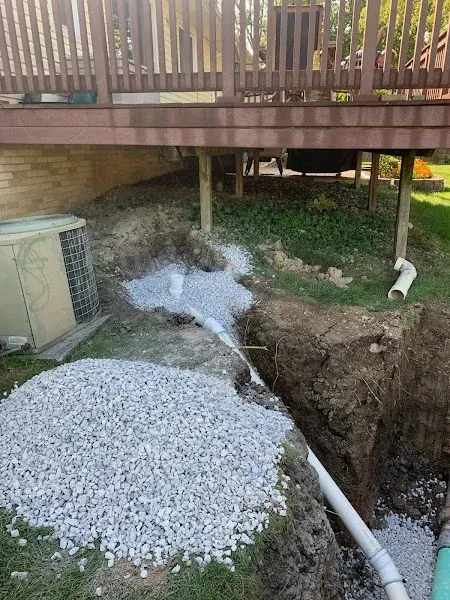
Excavated residential yard with drainage pipe and gravel during installation

Professional Yard Drainage Help for Bellevue Properties

Recurring standing water can involve surface flow, a low area, concentrated downspout discharge, an existing inlet, subsurface conditions, or a private drainage component that no longer performs as intended. The visible wet spot provides useful information, but it does not identify the source or prove that one particular drainage system will correct it.

Yard-drainage installation and repair are different from cleaning an existing pipe. Indoor backups, slow fixtures, and sanitary drain symptoms belong to drain cleaning in Bellevue, while persistent outdoor runoff or saturated yard areas may require a drainage contractor to evaluate the site, water path, collection method, and suitable outlet before recommending work.

Why Choose Bellevue Drain Cleaning Co.

  • Bellevue-focused intake for yard-water and runoff concerns
  • Clear separation between cleaning and drainage construction
  • Service availability confirmed before the next step
  • Property symptoms documented during the initial call
  • Permit questions identified without making legal promises
  • Direct phone contact for project-scope clarification

Yard Drainage Options a Contractor May Evaluate

The appropriate system depends on the water source, property layout, soil conditions, outlet, access, and applicable requirements.

French Drain Systems

A French drain is a subsurface collection approach that may be evaluated when water moves through or saturates part of the soil. A contractor must determine whether it fits the observed water pattern, then consider route, depth, materials, access, maintenance, and discharge. It is not an automatic answer for every wet yard.

Catch Basins and Surface Inlets

A surface collection point may receive runoff from a low hardscape or yard area and direct it into an appropriate private conveyance route. Placement, capacity, surrounding grade, grate selection, maintenance access, and outlet all matter. Cleaning an existing catch basin and installing a new one are different project scopes.

Channel Drain Installation

A channel drain may be considered along a driveway, patio edge, garage approach, or another hard surface where sheet flow needs to be intercepted. The contractor must evaluate placement, surface slope, expected loads, connection details, and where the collected runoff can be discharged without creating another problem.

Downspout Drainage

Roof runoff that ends beside a building or repeatedly saturates one area may justify evaluation of an extension, solid conveyance pipe, or another appropriate route. Existing connections, grade, property boundaries, maintenance access, and the final outlet should be reviewed before changing where downspout water travels.

Existing Yard-Drainage Repair

An older system may have a damaged inlet, disconnected fitting, crushed or displaced private pipe, obstructed outlet, or installation that no longer matches the property conditions. Those are possibilities rather than remote diagnoses. Site evaluation helps separate repair of a known component from cleaning, redesign, or replacement.

Yard Drainage Problems That Need Professional Evaluation

Where water appears, how it travels, and how long it remains help define a practical starting point without diagnosing the property from one symptom.

Water Pools After Rain

Repeated pooling that remains after rainfall deserves closer review. Note the affected area, approximate depth, duration, direction of flow, nearby roof runoff, and any existing drainage components.

Ground Stays Saturated

Persistently soft or saturated ground can have several possible contributors. The symptom alone does not confirm slow soil, groundwater, a supply leak, or a failed drainage system.

Runoff Reaches the Building

Water moving toward a structure calls for evaluation of the surrounding grade, collection opportunities, existing drainage, and discharge route without assuming that drainage work includes foundation repair or waterproofing.

Driveway or Patio Ponding

Water collecting on hard surfaces may require review of slope, flow direction, inlet or channel-drain options, traffic and load conditions, safe access, and a suitable downstream outlet.

Downspout Water Collects Nearby

Roof runoff ending in one concentrated area may contribute to pooling. The correct extension, solid-pipe route, surface discharge, or other approach still depends on the property and applicable requirements.

Existing Drainage Stops Working

An inlet may be covered by debris, or the system may have a deeper condition. When the need is clearing a suitable existing private inlet or connected line, storm drain cleaning is distinct from redesign or construction.

How a Yard Drainage Approach Is Selected

A useful recommendation begins with the water pattern and a workable destination, not a preferred product chosen before the site is understood.

Identify the Water Pattern

The evaluation can consider when water appears, how it moves, how long it remains, nearby roof and downspout discharge, irrigation, low areas, hard surfaces, and existing inlets. These observations guide the investigation, but they do not prove the source by themselves. Conditions may also look different during dry weather than during rainfall.

Compare Surface and Subsurface Collection

Surface inlets and channel drains are intended to collect water reaching a particular surface location. A French drain collects certain subsurface water through a gravel-filled trench and perforated pipe. Neither category is automatically better. The relevant choice depends on how the water reaches the affected area and whether the system can be routed and maintained appropriately.

Confirm a Suitable Discharge Route

Collecting water is only part of a drainage project. The destination, elevation, existing connections, public infrastructure, neighboring properties, easements, and maintenance access can affect whether a proposed route is practical. A system should not simply move a problem to another part of the property or discharge water where it is not allowed.

Review Permits and Site Constraints

The City identifies a Storm Drainage Connection Permit for specified new connections, repairs, reconstruction, or private stormwater management work. Project-specific review determines whether additional plans, reports, easements, right-of-way approvals, grading review, or other documents apply. Confirm requirements before construction rather than assuming every project follows the same permit path.

Our Simple Yard Drainage Service Process

We organize the water pattern, property details, possible project scope, and provider availability before any work is promised.

Describe Where Water Collects

Tell us which area is affected, when water appears, how long it remains, and whether downspouts, inlets, pipes, hard surfaces, or previous drainage work are nearby. Photos can help explain the pattern when available.

Clarify the Property Scope

We ask about property use, access, slopes, hardscape, known outlets, boundaries, prior attempts, and whether the request concerns cleaning an existing component, repairing a system, or considering a new installation.

Confirm an Available Provider

The requested scope and Bellevue service availability are checked before scheduling or promising a particular method. Some projects may need a drainage, landscape, excavation, plumbing, engineering, or other qualified provider depending on the work involved.

Evaluate the Site and Options

The available contractor may need to inspect the property before recommending a system, confirming project boundaries, identifying permit questions, or discussing price. The final scope should respond to observed conditions rather than the initial symptom alone.

Proudly Serving Bellevue and Surrounding Areas

Yard-drainage inquiries are accepted across these Bellevue service areas, with project scope and appropriate local provider availability confirmed before scheduling.

Frequently Asked Questions

Who should I call for a yard drainage problem?

Yard-drainage installation or repair is normally evaluated by a contractor experienced in landscape, site, or stormwater drainage rather than assuming any plumber performs the work. Describe where water collects, when it appears, and which drainage components already exist. Bellevue Drain Cleaning Co. can use those details to check whether an appropriate local provider is available.

How much does a yard drainage system cost?

There is no responsible fixed price without knowing the site and project scope. Cost can depend on the affected area, access, system type, route, excavation, materials, outlet, surface restoration, permits, and conditions found during evaluation. A contractor may need to inspect the property before defining the work and preparing any price or proposal.

How can poor backyard drainage be corrected?

The first step is to identify where the water begins, how it crosses the property, how long it remains, and where it may be discharged appropriately. A contractor might evaluate surface collection, subsurface drainage, downspout conveyance, or repair of an existing system. The visible wet area alone does not determine the correct construction approach.

What is the best drainage system for a backyard?

No single drainage system is best for every backyard. Surface inlets and channel drains collect runoff at the surface, while a French drain is a subsurface collection approach for certain soil-water patterns. Property grade, access, water volume, existing utilities, soil conditions, and an acceptable outlet all influence which option may be appropriate.

Does Bellevue require a permit for yard drainage work?

Permit requirements depend on the work. The City of Bellevue identifies a Storm Drainage Connection Permit for specified new connections, repairs, reconstruction, or on-site management of storm and surface water on a private storm connection. Additional documents or approvals can depend on the project. Confirm requirements with Bellevue Utilities or Development Services before construction.

What is the difference between yard drainage and storm drain cleaning?

Yard-drainage installation or repair changes or restores how runoff is collected and conveyed across private property. Storm drain cleaning removes accessible debris or restrictions from a suitable existing private inlet or connected line. If the cause is unclear, the water pattern and existing components should be evaluated before deciding whether cleaning or construction is the relevant scope.

What information should I provide when I call?

Describe the affected area, when water appears, how long it remains, its approximate depth and direction of travel, nearby downspouts or drains, previous work, and any known outlet. Photos can help explain the pattern when available. Also mention access restrictions, hard surfaces, property boundaries, and whether the concern follows rainfall or occurs at other times.

How does Bellevue Drain Cleaning Co. handle yard-drainage inquiries?

Bellevue Drain Cleaning Co. collects the property and water-pattern details needed to understand the request, then checks whether an appropriate local drainage provider is available. The matched provider may need to evaluate the site before recommending a system, confirming permits, defining the project, or discussing price. No particular method or installation result is promised from the initial call.
Discuss Yard Drainage Options for Your Bellevue Property

Tell Bellevue Drain Cleaning Co. where water appears, when it occurs, how long it remains, which drainage components already exist, and what previous work has been attempted. You do not need to know whether the property needs a French drain, surface inlet, channel drain, downspout route, or repair. We will organize the request and confirm the relevant service scope and available next step.

Call 14253070640 Get Quote
Call Quote