Understanding Drain Odors
Detecting a drain odor problem in your home can be challenging. Understanding the nature of these odors is the first step. Many homeowners in Bellevue experience drain odors that can stem from various sources, including clogs, leaks, or even the design of the plumbing system. Identifying the source of these odors is crucial to maintaining a healthy living environment.
Common Causes of Drain Odors
Drain odors can arise from a variety of issues. Here are some common causes:
- Clogs: Food, hair, and other debris can accumulate in your drains, leading to unpleasant smells.
- Dry P-Traps: If a sink or floor drain is not used frequently, the water in the P-trap can evaporate, allowing sewer gases to escape.
- Backed-Up Sewer Lines: A blockage in the main sewer line can cause odors to seep back into your home.
- Improper Venting: Plumbing systems require proper venting to allow sewer gases to escape outside. If this venting is obstructed, odors can build up.
Methods to Detect Drain Odors
Identifying drain odors involves a few simple methods:
- Visual Inspection: Check for standing water or visible clogs in your sinks and drains.
- Sniff Test: Move around your home and sniff near drains to pinpoint the source of the odor.
- Water Flow Test: Run water in your sinks and listen for gurgling sounds, which may indicate a blockage.
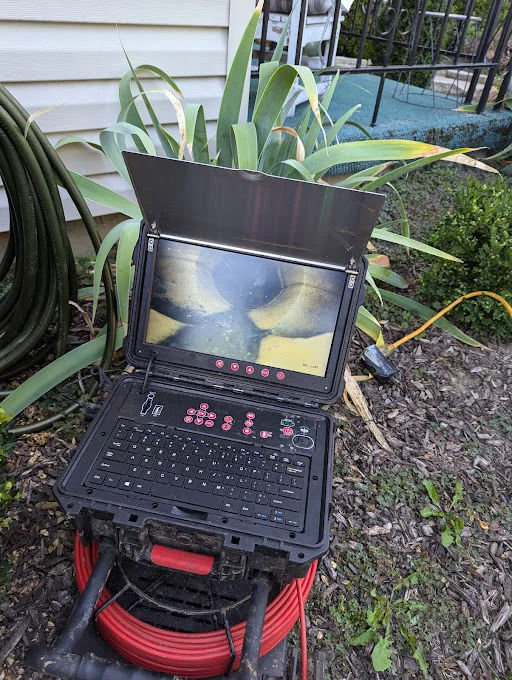
- Use a Camera: Video inspection services can help you see inside your pipes and identify problems without invasive measures.
Signs of Drain Odor Problems
There are several signs that indicate you may have a drain odor problem:
- Unpleasant smells near sinks, tubs, or toilets.
- Slow drainage in sinks or bathtubs.
- Gurgling sounds coming from drains.
- Water pooling around the base of fixtures.
- Frequent sewer gas odors in your home.
How to Fix Drain Odors
Fixing drain odors often requires a few simple steps:
- Clean Your Drains: Use a mixture of baking soda and vinegar to help break down clogs and eliminate odors.
- Check P-Traps: Ensure that all P-traps contain water. If they are dry, run water through the drain.
- Clear Blockages: If you suspect a clog, consider using a plunger or a drain snake. For more stubborn clogs, you may need professional clogged drain repair in Bellevue.
- Install a Vent: If improper venting is the issue, consult a plumber to install or repair the venting system.
Common Mistakes to Avoid
When dealing with drain odors, homeowners often make common mistakes:
- Ignoring the problem, which can lead to more severe plumbing issues.
- Using harsh chemicals that can damage pipes and create more odors.
- Neglecting to maintain drains regularly, leading to buildup and blockages.
- Assuming that all odors are from the same source without proper investigation.
When to Call a Professional
While many drain odor issues can be resolved at home, some situations require professional help. If you notice persistent odors despite your efforts, or if you suspect a serious blockage or sewer line issue, it's time to call Bellevue Drain Cleaning Co. Our team can provide expert solutions tailored to your needs.
Frequently Asked Questions
What causes drain odor problems in Bellevue?
Drain odors in Bellevue can result from clogs, dry P-traps, sewer line backups, or improper venting. Each of these issues can allow unpleasant odors to escape into your home.
How can I detect drain odors in my home?
To detect drain odors, perform a visual inspection, conduct a sniff test, run water to listen for gurgling sounds, or use video inspection services to identify hidden problems.
What should I do if I notice drain odors in Bellevue?
If you notice drain odors, start by cleaning your drains and checking P-traps. If the problem persists or worsens, consider reaching out for professional drain odor removal in Bellevue.
Can I fix drain odors myself?
Many drain odor problems can be fixed with DIY methods such as cleaning and checking for clogs. However, for persistent issues, consulting a professional is recommended.
How often should I maintain my drains?
Regular maintenance of your drains, ideally every few months, can help prevent clogs and odors. This includes cleaning and inspecting for any potential issues.